CPA Networks
 Ad Networks
 Affiliate Programs
 Offer base



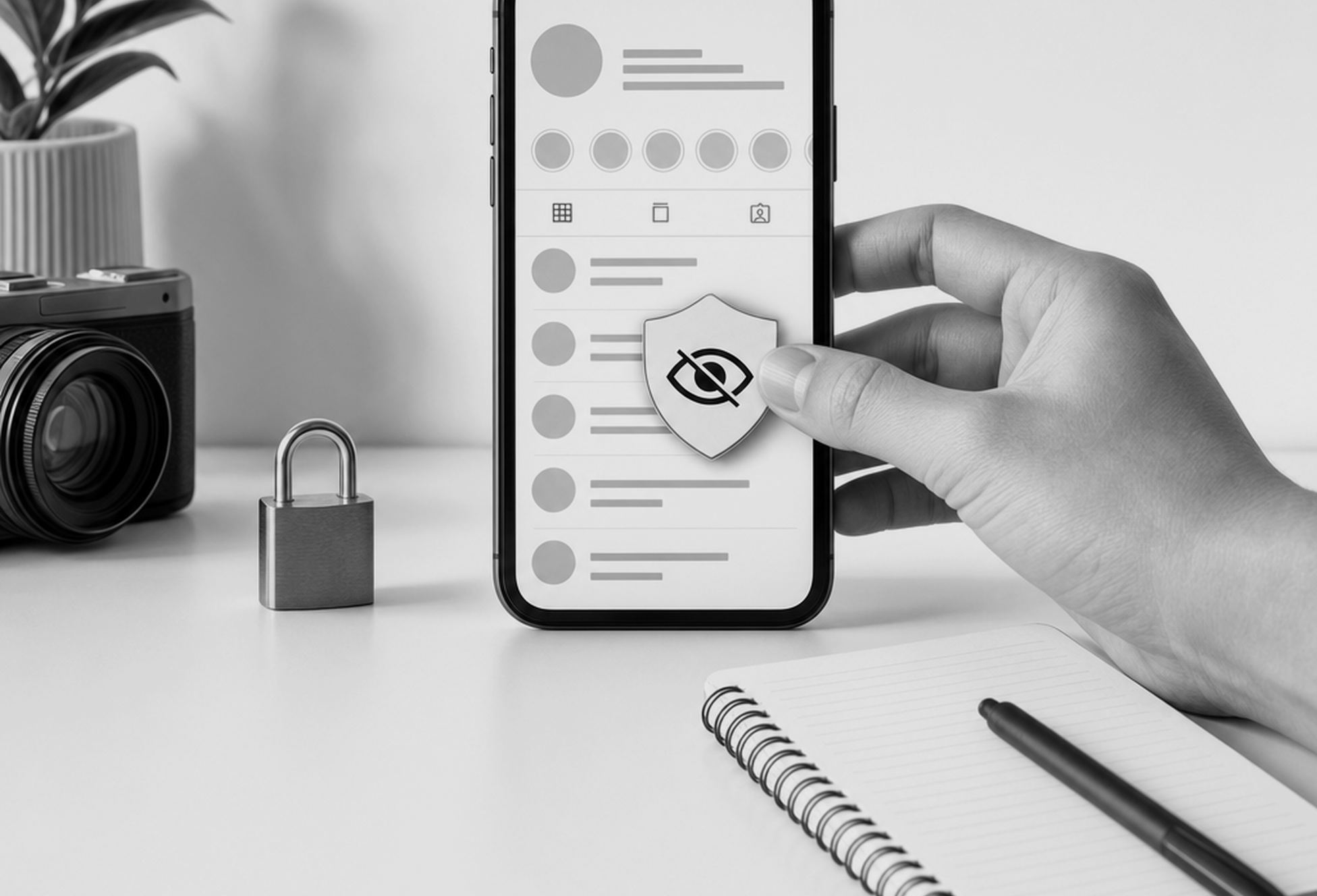
Short answer: partly. There’s no single setting built for this, but there’s more control available than most people realize. Here’s what’s actually possible this year, using only what’s built into the app.
This kind of question comes up constantly on AffRoom — a hub where affiliate marketers, media buyers, and creators compare notes on running a public presence without losing control of it. Managing who you follow at scale is a small but real part of that, so we put together what actually works.
On a public profile, both lists sit behind the counts in your header, and anyone can open either one. There’s no dedicated setting for either list on its own — Instagram treats both the same way, and nothing suggests that’s changing. What it offers instead is a handful of per-user tools — plus one workaround that covers most of what people actually want.
Hide Followers on Instagram in 2026 Without a Private Account
Here’s what’s true regardless of the year or app version: both lists stay open to anyone on a public account. Nothing in recent updates has changed that, and there’s no roadmap hint that it will.

Follower Visibility on Instagram: What’s Public by Default
On public accounts, both lists stay visible to anyone who taps them, whether they follow you or not. When your account is public, Instagram treats the social graph as public data by design — it’s part of how the app surfaces recommendations. The only account-level setting that changes this is Account Privacy, found under Settings and privacy.
What Instagram Lets You Control (and What It Doesn’t)
Instagram lets you control who interacts with you, what they see in Stories, and who’s counted as a follower — but not who can view your lists once you’re visible to everyone. That distinction is the source of most of the confusion around this topic.
Go Private: The Only Way to Fully Hide Both Lists
Turning that toggle on removes both lists from outside view completely. Once your account is private, only people you approve can see either list. Everyone else gets your name, bio, and post count — nothing else. Going private makes the trade immediate: public discovery, hashtag reach, and Reels recommendations all drop.
That’s the choice Instagram actually offers — go private, or stay public and manage visibility person by person with the tools below.
Manage Followers Without Blocking Everyone
There’s No Switch to Hide Your Follower List on Instagram
If your real problem is one person, not the public in general, blocking lets you deal with just them without touching your public reach. A blocked account is removed as a follower, gets no notification, and can’t open your profile, Stories, or either list while logged in. The limit: a logged-out browser or a second account can still get around it, so this stops casual checking more than a determined look.
Switch to a Private Account to Hide Everything
Restrict is the alternative when blocking feels heavy-handed. It filters comments and messages without cutting someone off entirely — but if hiding everything from someone is the actual goal, only a private account or a block does that. Restrict changes nothing about what a restricted person can see.
You Can’t Hide Instagram Search Results Either
Removing followers is a separate tool from blocking. You can clear unwanted followers out silently from Profile → Followers, which cleans up your follower count without notifying anyone. It doesn’t stop your profile from turning up in search — going private is the only thing that does.
There’s No Way to Hide Following List on Instagram by Category
Close Friends lets you hide specific Stories or posts from everyone outside a chosen group — once someone’s blocked, they can’t see your posts, Stories, or either list, but Close Friends alone changes none of that on its own. There’s still no way to sort who you follow by category and hide part of it; it’s all or nothing at the account level, or one person at a time with block.
What Removing Instagram Followers Actually Changes
Anyone you clear out can simply follow again unless you also block them, since removal alone doesn’t restrict access. Pair the two if you want someone gone for good.
People Can Still See Your Followers Even If Restricted
This is the part people miss most often: a restricted person keeps full access to who follows you, who you follow, and your activity status. Restrict is a contact filter, not a visibility filter.
Real Workarounds for Personal Contacts
If you’re wondering how to hide who you follow from specific people without losing your public reach, the practical fix most creators land on is a second account.
Keep a public account for reach, and a private one for personal contacts — family, close friends, anyone you’d rather not have a stranger map out. To set it up: Profile → menu → Settings and privacy → Add account → Create new account, then move personal follows over. Two things break the setup: a near-identical username on both accounts, and following the private one from the public one. If you’re running more than two, it’s worth reading up on how to manage multiple accounts without tripping Instagram’s ban detection first.
This also solves the narrower version of the same problem: managing who sees your followers and following list on public search without hiding your main profile at all.
Can Someone Hide Their Following From You Specifically?
Only by blocking you or going private themselves — the same tools work in both directions. If someone keeps who they follow hidden from you specifically, it means they’ve either restricted your access individually or their account isn’t public to begin with.
Does This Work the Same on iPhone and Android?
Yes. Account Privacy, Block, Restrict, Remove Follower, and Close Friends behave identically on iPhone and Android — the menu labels and tap sequence match across both, since Instagram’s settings live in the app itself rather than the OS.
Hide Followers on Instagram via Third-Party Apps? Skip Them
Some services claim they can do exactly that with a browser extension or bot, no settings changes required. They can’t. Instagram’s API doesn’t give third-party apps that kind of access, so anything asking for your login to manage privacy is either a credential grab or a straight Terms of Service violation — both can get an account suspended, which is a real cost if it carries an audience. It’s the same category of promise behind tools claiming they can get you 1,000 followers in five minutes: technically impossible without violating the platform’s own rules.
Once you know how to hide followers the right way, none of that is worth the risk.
Match the Tool to What You Actually Want to Hide
| Situation | Best option | Hides the list? |
|---|---|---|
| Hide followers from everyone | Private account | Yes, from non-followers |
| Hide who you follow from one person | Block | Yes, for that person |
| Reduce contact, not visibility | Restrict | No |
| Clean up your follower count | Remove followers | No |
| Control who sees a Story or post | Close Friends | No |
| Stay public, hide personal contacts | Secondary account | Indirectly |
If blocking one person handles it, that’s enough. Only a private account removes both lists from everyone else’s view entirely — there’s no single shortcut that covers every case at once, which is why the table above matters more than any one tool.
Frequently Asked Questions
Can you hide your following list on Instagram without a private account?
Not from the public in general. You can hide it from a specific person by blocking them, or move personal accounts to a second, private profile so your main list of who you follow only shows what you’re comfortable with.
Can you hide who you follow on Instagram from specific people?
Yes, through blocking — it’s the one native tool built for that. Restrict won’t do it; that setting is about reducing contact, not visibility.
Does Instagram allow users to hide followers and following lists?
Only when the account is private, and only from people who aren’t approved followers yet. None of Instagram’s per-user tools remove the follower or following lists from view for the public — Restrict, Remove Follower, and Close Friends all leave both lists exactly as visible as before.
What privacy settings are available on Instagram?
Block, Restrict, Remove Follower, Close Friends, Story-specific hide lists, tag approval, and comment filters, on top of the account-level privacy toggle. Of these, only going private or blocking someone changes who can see your lists — the rest manage contact or content instead.
What are the alternatives to making your Instagram account private?
Block anyone you specifically want kept out, run a second account for personal contacts, use Restrict to quiet unwanted messages, and keep who you publicly follow limited to accounts you’re fine with being seen. Apps that promise more than this aren’t safe to use — there’s no setting that fully replaces privacy while staying public, but this combination gets close.
Conclusion
Instagram does not let public accounts hide their followers or following lists. Instead, you can use the privacy tools that actually exist: Block, Restrict, Remove Follower, and Close Friends.
If you want more privacy without switching to a private account, the best option is to use a secondary account. Avoid third-party apps that claim to hide your followers — they cannot do what Instagram itself doesn’t support. For more social media, traffic, and monetization guides, explore Affroom.