CPA Networks
 Ad Networks
 Affiliate Programs
 Offer base




The studio you integrate doesn’t just fill a lobby — it decides player retention, gross gaming revenue, and how competitive your casino looks next to operators running the exact same titles. Pick the wrong provider and you inherit weak portfolios, licensing gaps, and slow integration timelines. Pick the right one and you get a library players actually want to spin.
According to SkyQuest, the global slot machine market was valued at USD 10.8 billion in 2024 and is projected to grow from USD 11.33 billion in 2025 to USD 16.62 billion by 2033 — a trajectory driven by regulated iGaming expansion, cloud-based infrastructure, and rising demand for RNG-certified content. That growth is exactly why the provider decision matters more now than it did five years ago: more studios, more licensing regimes, and more ways to get the integration wrong.
Whether you’re an operator shortlisting studios for a new launch, or an affiliate monetizing traffic through gambling affiliate programs and want to understand why certain brands convert better, the AffRoom team has put together a fact-checked breakdown of the 12 leading slot game providers — founding dates, portfolio size, licensing, flagship titles, and a decision framework for picking between them.
AffRoom is a catalogue of affiliate marketing companies and a unique networking platform for both companies and affiliates. Here you can find and connect with iGaming leaders, solo affiliates, advertising, affiliate and CPA networks in one place. It’s also a free offer base, as well as a transparent listing with blunt, honest reviews.

What to Know Before Comparing Slot Game Providers
Not all online casino game providers operate the same way. Some are pure game studios — they build slots, certify them through independent testing labs, and license the content to operators via API or aggregator. Others are full-stack casino software providers that bundle games, back-office tools, payment integrations, and white-label platforms into one contract. AffRoom’s own guide to turnkey casino providers covers this second category in depth if a bundled launch is what you’re actually shopping for.
The distinction matters commercially. A pure studio like NetEnt or Play’n GO gives you certified, brand-name titles players already recognize. A platform provider bundles infrastructure plus a library — useful when launching from scratch, but carrying different revenue-share and lock-in terms. For operators weighing that trade-off in full, AffRoom’s white label casino guide breaks down what a rented, ready-to-launch stack actually includes.
Before shortlisting any provider, check three things:
- Licensing coverage. Does the studio hold MGA, UKGC, or the specific jurisdiction licence your casino operates under? A game without the right certification cannot legally run on your platform in regulated markets. AffRoom’s guide to gambling licence types is a useful primer if you’re still mapping which licence you actually need.
- RNG certification. Reputable slot game providers submit their RNG systems to independent labs (eCOGRA, BMM, iTech Labs, GLI). Ask for current certificates before signing — not screenshots from marketing decks.
- Integration path. Direct API, aggregator (SoftSwiss, Slotegrator, EveryMatrix), or white-label bundle? Each has different lead times, revenue-share layers, and technical overhead.
Volatility range, mobile compatibility, localization (multilingual UI, currency support), and back-office promo tools are secondary filters once compliance is confirmed. Community discussion on forums like r/Stake confirms that engaged players consistently point to the same handful of studios — a useful sanity check against operator-side rankings.

12 Best Slot Game Providers for Online Casinos
1. NetEnt — Pioneer of Award-Winning Design and UI/UX
| Founded | Portfolio | Licences | Key Titles |
|---|---|---|---|
| 1996 | 200–300 games | MGA, UKGC | Starburst, Gonzo’s Quest |
Operating since 1996 and now part of the Evolution group, NetEnt built its reputation on clean visual design, smooth animations, and consistently competitive RTP configurations. Starburst remains one of the most-played slots globally, while Gonzo’s Quest introduced the avalanche mechanic dozens of studios have since replicated. NetEnt content runs in 100+ markets and is accepted by virtually every major aggregator.
The constraint is portfolio depth — at 200–300 titles it’s smaller than Microgaming or Playtech. Quality-per-title, however, is high, and the brand carries measurable weight on casino landing pages: players recognize the logo and treat it as a trust signal.
Best fit: Established operators in European regulated markets who want recognizable, premium titles that lift conversion without heavy marketing spend.
2. Microgaming — Progressive Jackpots and Portfolio Scale

| Founded | Portfolio | Licences | Key Titles |
|---|---|---|---|
| 1994 | 500+ games | MGA, UKGC | Mega Moolah, Immortal Romance |
Microgaming (now trading assets under the Games Global banner after the 2022 sale) developed the first fully functional real-money online casino software in 1994. Its Mega Moolah progressive jackpot network has paid out multiple record-breaking prizes and remains one of the strongest player-acquisition hooks in the industry. The studio operates a network model — independent developers publish through the Microgaming platform — which explains the 500+ title catalogue.
The trade-off is consistency: with many studios contributing, game quality varies. Operators should curate which titles they feature rather than bulk-importing the full library, and monitor which sub-studios (Just For The Win, Stormcraft Studios, Triple Edge Studios) deliver the retention numbers they need.
Best fit: Casinos wanting a large, diverse portfolio anchored by a proven jackpot network as a headline acquisition driver.
3. Playtech — Cross-Platform Omnichannel Leader
| Founded | Portfolio | Licences | Key Titles |
|---|---|---|---|
| 1999 | 600+ games | MGA, UKGC | Age of the Gods, Gladiator |
Playtech is one of the largest publicly listed casino game providers in the world (LSE: PTEC). Its 600+ portfolio spans slots, live casino, poker, bingo, and sports betting, making it one of the few true omnichannel suppliers. The Age of the Gods jackpot series competes directly with Mega Moolah and performs strongly in regulated European markets. Playtech operates across 20+ regulated jurisdictions with deep compliance infrastructure smaller studios cannot match.
The main consideration for smaller operators is commercial access — Playtech typically partners with mid-to-large brands, and its integration terms reflect that. Direct deals are rarely offered to early-stage platforms; aggregator routes are the practical path.
Best fit: Mid-to-large operators in regulated markets who want a single provider covering slots, live casino, and jackpots under one commercial agreement.
4. Pragmatic Play — Mobile-First, Multilingual, High-Volatility
| Founded | Portfolio | Licences | Key Titles |
|---|---|---|---|
| 2015 | 300+ games | MGA, UKGC, Gibraltar | Gates of Olympus, Sweet Bonanza |
Pragmatic Play is the fastest-growing studio on this list and arguably the most commercially aggressive. Since 2015 it has built a 300+ game portfolio with a mobile-first development philosophy, multilingual support, and a release cadence delivering new titles almost weekly. Gates of Olympus and Sweet Bonanza are among the most-streamed slots on Twitch and YouTube, giving them organic marketing value that operators benefit from indirectly.
Pragmatic also offers live casino, virtual sports, and bingo products, making it a strong second pillar alongside a legacy provider. One risk to monitor: the studio’s rapid expansion has drawn regulatory attention in some markets (notably the Netherlands and parts of LatAm), so verify current licensing status for your specific jurisdiction before integrating.
Best fit: Operators targeting younger, mobile-first audiences who want high-volatility titles with strong community recognition and frequent new content.
5. Play’n GO — Curated Theme-Based Slots
| Founded | Portfolio | Licences | Key Titles |
|---|---|---|---|
| 1997 | 200+ games | MGA, UKGC | Book of Dead, Reactoonz |
Play’n GO has operated quietly since 1997 but built one of the most loyal operator followings in the industry. Book of Dead is a perennial top performer across European casinos and functions as a de facto benchmark title for player-acquisition campaigns — many affiliates specifically negotiate free-spins offers on it because the conversion data is well-known.
The studio’s strength is thematic depth: each game has a distinct visual identity and narrative, supporting differentiated casino branding. Play’n GO holds licences in 25+ jurisdictions with a strong compliance track record. Its portfolio isn’t the largest, but the hit rate — proportion of titles that actually drive session time — is consistently high.
Best fit: Regulated European operators who want a curated, high-quality library with proven retention titles rather than sheer volume.
6. Yggdrasil — Feature-Rich Slots With Built-In Promo Tools
| Founded | Portfolio | Licences | Key Titles |
|---|---|---|---|
| 2013 | 150+ games | MGA, UKGC | Vikings Go Berzerk, Valley of the Gods |
Yggdrasil positioned itself as the creative outlier among slot providers when it launched in 2013. The studio introduced the BOOST™ promotional toolkit — in-game missions, tournaments, and cash-drop mechanics operators can activate without custom development. Vikings Go Berzerk and its sequels demonstrated that narrative-driven, feature-rich slots could compete with simpler titles on session length.
At 150+ titles the portfolio is the smallest among the major studios covered here, and Yggdrasil operates in 30 jurisdictions — solid but narrower than NetEnt or Microgaming. The studio also runs the YGS Masters programme, allowing third-party developers to publish under its licence and gradually expand the catalogue with vetted external content.
Best fit: Operators wanting differentiated, feature-rich content plus built-in promotional mechanics for tournaments and missions without heavy back-office engineering.
7. Hacksaw Gaming — Streaming-Age Slots and Scratchcards
| Founded | Portfolio | Licences | Key Titles |
|---|---|---|---|
| 2018 | 100+ games | MGA | Wanted Dead or a Wild, Chaos Crew |
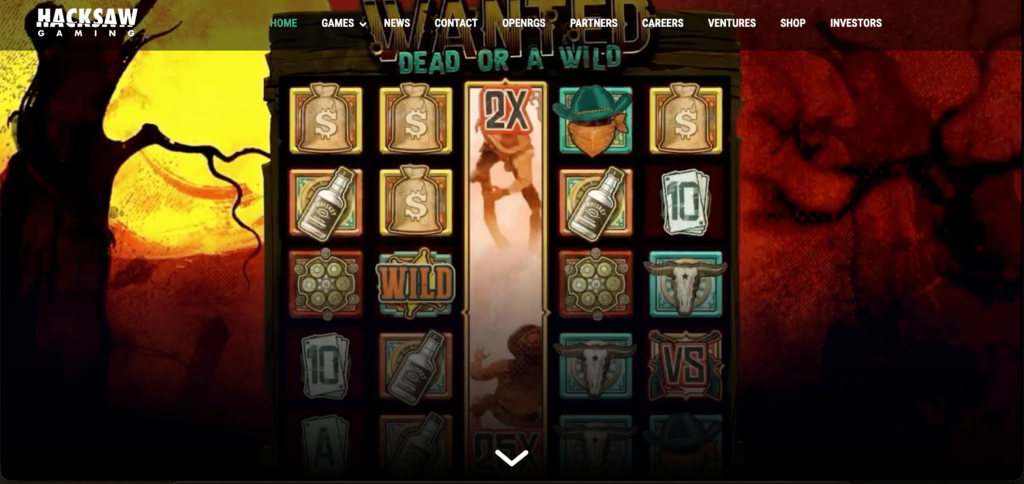
Hacksaw Gaming is the newest studio on this list and the one with the steepest growth trajectory. Founded in 2018, it started with instant-win scratchcards before pivoting to high-volatility video slots. Wanted Dead or a Wild became a viral hit in the streaming community, and the studio’s design language — cinematic, high-contrast, mobile-optimized — resonates strongly with 25–35 year-old demographics.
The limitation is reach: Hacksaw holds an MGA licence and operates in 15+ markets, narrower than legacy providers. Operators outside MGA coverage will need to verify availability. Revenue-share terms are typically negotiated via aggregators for smaller platforms.
Best fit: Casinos targeting 25–40 demographics who want edgy, high-volatility titles with streaming community appeal.
8. IGT — Data-Driven Analytics and Land-Based Heritage
| Founded | Portfolio | Licences | Key Titles |
|---|---|---|---|
| 1975 | 200+ games | Multiple global licences | Cleopatra, Wheel of Fortune |
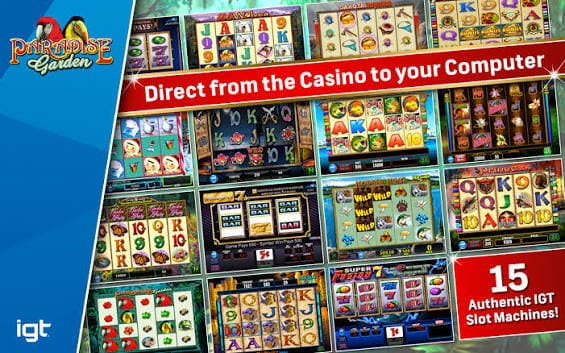
IGT (International Game Technology) traces its lineage to 1975, when it was founded in Reno as A-1 Supply before taking the IGT name in 1981; it’s one of the few providers with equal strength in land-based and online environments. Its Cleopatra and Wheel of Fortune titles carry decades of brand recognition from physical casinos, which translates directly into player trust online — particularly among older US and Canadian players who grew up with these games on casino floors.
IGT’s data analytics infrastructure is more sophisticated than most pure-play studios, giving operators actionable game-recommendation and player-segmentation tools. The trade-off: online integration can be slower and more complex than newer API-first providers, and the catalogue skews toward classic mechanics rather than modern high-volatility features.
Best fit: Operators running hybrid land-based and online operations, or platforms targeting older demographics who recognize IGT’s classic titles from physical casino floors.
9. Novomatic — Central and Eastern European Dominance
| Founded | Portfolio | Licences | Key Titles |
|---|---|---|---|
| 1980 | 200+ games | Multiple EU licences | Book of Ra, Lucky Lady’s Charm |
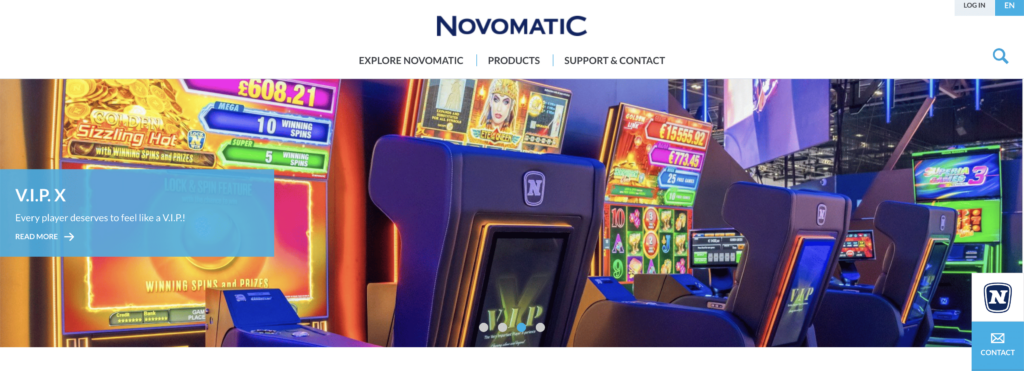
Novomatic is one of the oldest gaming companies in the world and the dominant force in Central and Eastern European markets. Book of Ra is arguably the most-played slot in German-speaking markets and has spawned multiple sequels. The studio holds licences across 50+ countries, giving it one of the broadest regulatory footprints of any provider on this list.
Novomatic’s online portfolio is strong in classic and retro-style slots but lighter on the modern feature mechanics (cascading reels, buy-bonus, Megaways) that drive engagement in UK and Nordic markets. Operators targeting CEE or land-based-adjacent audiences will find it indispensable; those focused on the UK or Nordics should supplement with other studios.
Best fit: Operators targeting Central and Eastern European markets or players who prefer classic, land-based-style mechanics.
10. Evolution — Live Casino Giant With Slot Aggregation

| Founded | Portfolio | Licences | Key Titles |
|---|---|---|---|
| 2006 | 100+ slots + extensive live casino | MGA, UKGC | Lightning Roulette, Crazy Time |
Evolution is primarily known as the world’s leading live casino provider, but its 2020 acquisition of NetEnt — which brought Red Tiger Gaming’s slot portfolio along with it, since NetEnt had acquired Red Tiger a year earlier — made it a significant force in RNG slots too. Lightning Roulette and Crazy Time are among the highest-grossing live casino games globally. Through its aggregator model, Evolution gives operators access to a broad slot portfolio alongside its live tables under a single integration.
For operators wanting to cover both slots and live casino without managing multiple provider relationships, Evolution is the most efficient single-integration option available. The trade-off: its slot content is largely inherited from acquisitions rather than organically developed, so studio identity across the slot portfolio is less cohesive than a pure-play developer.
Best fit: Operators wanting one B2B partner covering live casino, RNG slots, and game-show formats under one contract.
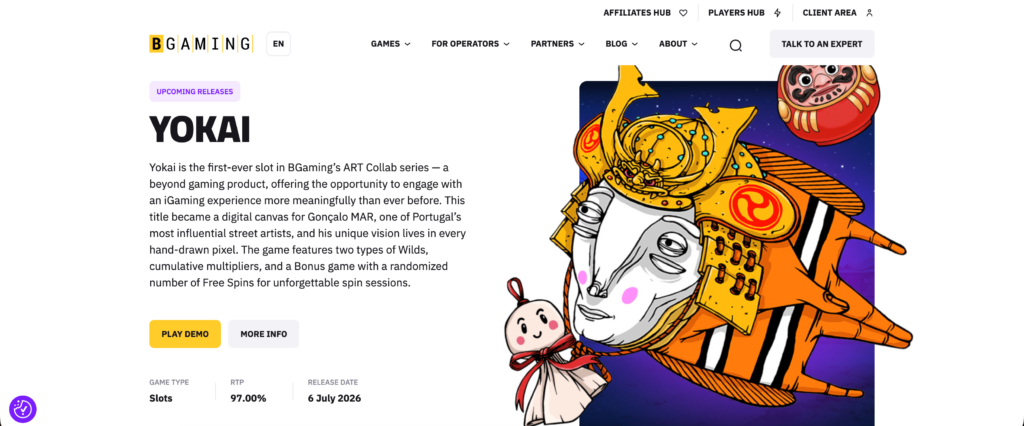
11. BGaming — Provably Fair and Crypto-Native
| Founded | Portfolio | Licences | Key Titles |
|---|---|---|---|
| 2018 | 100+ games | MGA | Elvis Frog in Vegas, Book of Cats |
BGaming blends creative visual design with operational practicality. It was one of the first developers to introduce provably fair mechanics for crypto-friendly casinos, which made it a go-to choice for Bitcoin and crypto operators. The studio releases games at a consistent pace and maintains a transparent RTP policy — some titles allow operators to select from configurable RTP bands, a feature that requires careful compliance handling.
BGaming’s portfolio is smaller than legacy providers, and its brand recognition among mainstream players is lower than NetEnt or Pragmatic Play. For crypto casinos or operators targeting tech-savvy audiences, however, its provably fair credentials are a genuine differentiator legacy studios cannot easily match.
Best fit: Crypto casinos and operators targeting blockchain-native audiences who want provably fair slots alongside standard RNG content.
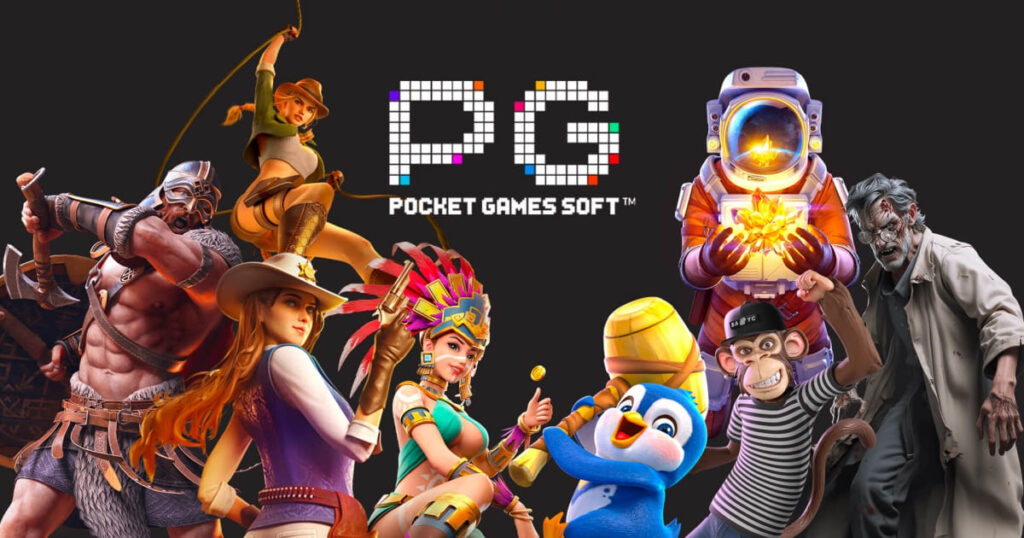
12. PG Soft — Mobile-First Slots With Asian Market Strength
| Founded | Portfolio | Licences | Key Titles |
|---|---|---|---|
| 2015 | 150+ games | MGA, UKGC | Mahjong Ways, Medusa II |
PG Soft (Pocket Games Soft) has built one of the strongest mobile slot portfolios in the industry, with a distinct focus on Asian themes and mechanics. Mahjong Ways and its sequels are top performers across Southeast Asian markets and have crossed over into mainstream European casinos. The studio’s HTML5-first development means all games load quickly on mobile without app downloads.
PG Soft holds MGA and UKGC licences and is available through major aggregators, making integration straightforward. Its thematic focus on Asian culture is a strength for operators targeting Asian player bases but may feel niche for platforms focused exclusively on Western European audiences.
Best fit: Operators targeting Southeast Asian markets or any casino wanting to diversify its thematic portfolio with high-quality mobile-first content.
Quick Comparison Table
| Provider | Founded | Portfolio | Key Licences | Flagship Titles | Best For |
|---|---|---|---|---|---|
| NetEnt | 1996 | 200–300 | MGA, UKGC | Starburst, Gonzo’s Quest | European regulated markets |
| Microgaming | 1994 | 500+ | MGA, UKGC | Mega Moolah, Immortal Romance | Jackpot-driven acquisition |
| Playtech | 1999 | 600+ | MGA, UKGC | Age of the Gods, Gladiator | Omnichannel mid-large operators |
| Pragmatic Play | 2015 | 300+ | MGA, UKGC, Gibraltar | Gates of Olympus, Sweet Bonanza | Mobile-first, high-volatility |
| Play’n GO | 1997 | 200+ | MGA, UKGC | Book of Dead, Reactoonz | Curated quality, regulated EU |
| Yggdrasil | 2013 | 150+ | MGA, UKGC | Vikings Go Berzerk | Feature-rich + promo tools |
| Hacksaw Gaming | 2018 | 100+ | MGA | Wanted Dead or a Wild | Streaming-age demographics |
| IGT | 1975 | 200+ | Multiple global | Cleopatra, Wheel of Fortune | Hybrid land-based + online |
| Novomatic | 1980 | 200+ | Multiple EU | Book of Ra | CEE markets, classic mechanics |
| Evolution | 2006 | 100+ slots + live | MGA, UKGC | Lightning Roulette, Crazy Time | Single-partner live + slots |
| BGaming | 2018 | 100+ | MGA | Elvis Frog in Vegas | Crypto-native casinos |
| PG Soft | 2015 | 150+ | MGA, UKGC | Mahjong Ways | Southeast Asian markets |
How to Choose the Right Slot Game Provider
Selecting from the best slot providers isn’t a single decision — it’s a stack of decisions made in sequence. Affiliates evaluating brands through CPA casino affiliate programs benefit from understanding this framework too, because the underlying game library directly shapes conversion rates.
- Confirm your licensing environment. Every game you offer must be certified for your jurisdiction. List your active licences (MGA, UKGC, Curaçao, Isle of Man, Gibraltar) and filter providers by matching certifications. This step eliminates options before you evaluate anything else and prevents costly compliance failures downstream.
- Match portfolio to audience. Classic slots (Novomatic, IGT) retain older demographics and land-based crossover players. High-volatility modern titles (Pragmatic Play, Hacksaw) drive engagement with younger, mobile-first audiences. Asian-themed content (PG Soft) is essential for Southeast Asian markets. Crypto-native mechanics (BGaming) matter for Bitcoin casinos. There’s no universal answer — the right mix depends on your player data.
- Evaluate integration complexity. Direct API integrations with large studios like Playtech or Evolution require significant technical resources and commercial negotiation. Aggregator routes (SoftSwiss, Slotegrator, EveryMatrix, Relax Gaming’s Silver Bullet) reduce time-to-market but add a revenue-share layer of typically 5–15%. For new operators, aggregator-first is usually the faster and lower-risk path.
- Verify RNG certification and audit history. Reputable providers publish current certification from eCOGRA, BMM, iTech Labs, or GLI. Ask for the actual certificates, not screenshots or marketing claims. A studio that cannot produce current documentation is a compliance red flag.
- Run a controlled test before scaling. Before committing to a long-term content deal, integrate 5–10 titles from a new provider and measure session time, GGR per active user, bonus cost per acquired player, and retention at day 7 and day 30. Real player data is more reliable than any provider’s marketing pitch about RTP or volatility.
Key risk to watch: exclusivity clauses. Some providers offer preferential commercial terms in exchange for exclusivity windows on new titles. This can be valuable for marketing but limits your ability to respond if a competitor studio releases a breakout game during the exclusivity period. Cap exclusivity windows at 30–60 days where possible. Operators actively using AI to score which studios and titles are actually driving retention can also read AffRoom’s breakdown of AI in gambling for how that data layer typically gets built.
FAQ
Which Are the Best Online Casino Game Providers?
Based on portfolio size, licensing coverage, and market presence, the consistently top-ranked online casino game providers are Pragmatic Play, NetEnt, Play’n GO, Microgaming, and Playtech. For live casino, Evolution leads the market. For crypto-native platforms, BGaming is a strong specialist. The “best” provider depends on your target market, player demographics, and licensing environment — there’s no single answer that applies to every casino.
How Do Casino Software Providers Differ From Game Providers?
Casino software providers supply full platform infrastructure: back-office, player management, payment processing, and often a bundled game library. Game providers (or studios) focus exclusively on developing and certifying individual games, which operators then integrate via API or aggregator. Some companies, like Playtech and Evolution, operate in both categories. Understanding this distinction matters because commercial terms, integration paths, and compliance responsibilities differ significantly between the two.
What Makes a Casino Game Provider Reliable?
Reliability comes down to four verifiable factors: active licences from recognized regulators (MGA, UKGC, Gibraltar, Isle of Man), current RNG certification from independent testing labs, a documented track record of uptime and technical support, and transparent RTP reporting. Providers that publish audit reports, maintain public certification pages, and have a history of operating in regulated markets without major compliance incidents are the lowest-risk choices.
Which Slot Game Providers Offer the Highest-Quality Games?
Quality is measurable through player engagement metrics rather than subjective opinion. By session time and GGR contribution, Pragmatic Play, Play’n GO, and NetEnt consistently rank as top-performing slot game providers across European regulated markets. Hacksaw Gaming and PG Soft punch above their weight relative to portfolio size. Microgaming’s quality varies across its large catalogue, so operators should curate rather than bulk-import.
How Do Online Casinos Choose Their Game Providers?
Online casinos typically evaluate providers on five criteria: licensing compatibility with their operating jurisdiction, portfolio fit for their target audience, integration complexity and time-to-market, commercial terms (revenue share, minimum guarantees, exclusivity clauses), and the provider’s compliance and audit history. Most platforms work with multiple providers simultaneously — a core set of two to four studios covering different player segments — rather than relying on a single supplier.
Conclusion
The 12 slot game providers covered here represent the realistic shortlist for any serious iGaming operator. Legacy studios like Microgaming, NetEnt, IGT, and Novomatic offer brand recognition and deep licensing coverage. Growth studios like Pragmatic Play and Hacksaw Gaming deliver the high-volatility, mobile-first content driving modern player engagement. Specialists like BGaming and PG Soft solve specific market problems — crypto compliance and Asian audience fit — that generalist providers can’t address as efficiently.
No single provider covers every need. The strongest casino portfolios combine two to four studios that complement each other across audience segments, volatility ranges, and thematic variety — always starting with licensing fit and RNG certification as non-negotiable filters. Affiliates promoting these brands can extend that logic downstream by working with gambling and casino affiliate programs matched to the same audience segments the underlying game portfolio targets.