CPA Networks
 Ad Networks
 Affiliate Programs
 Offer base




The sportsbook market keeps growing. More regions regulate betting, and traffic keeps rising on mobile and web. Operators compete on odds speed, live betting, and user experience.
This guide comes from AffRoom. We work with affiliates, ad networks, and iGaming teams. The data here comes from real platforms, not promo pages.
Your sportsbook software provider sets your limits. It affects odds updates, load speed, and how well you handle traffic spikes. Most platforms now offer full systems with sportsbook, casino, payments, and player management. Some run fully managed solutions. Others give APIs for custom builds.
Below is a list of the top 14 sportsbook software providers in 2026 used by real operators.

14 the Best Sportsbook Software Providers in 2026
Below is a list of the strongest sportsbook software providers in 2026. These platforms handle real traffic, support live betting, and work across multiple GEOs.
1. SOFTSWISS

SOFTSWISS offers an enterprise-grade sportsbook platform for operators targeting pre-match and live betting across 200+ sports, 2,000+ markets, and 100,000+ live events monthly. The solution is built for high-load performance, handling up to 500,000 requests per minute.
The company launched in 2009 and is headquartered in Malta, with development centres in Poland and Georgia. It now powers 1,500+ brands and is backed by 2,000+ professionals across multiple international locations.
The SOFTSWISS Sportsbook includes managed trading, integrated risk management, premium data feeds, and built-in regulatory compliance. It is available as a standalone betting platform or as a module integrated into any iGaming project. Operators can go live in as little as 14 days, with full API integrations taking up to 30 days.
SOFTSWISS also provides a B2B Prediction Markets Platform that enables operators to add fixed-odds betting on real-world outcomes while using familiar sportsbook risk frameworks.
Core capabilities
| Area | Details |
| Integration | Standalone platform or modular integration via iFrame or API |
| Payments | Fiat and cryptocurrency payments via 100+ providers, with casino-wallet support |
| Data feeds | Betradar MTS, Oddin.gg, and FeedConstruct |
| Core Tools | Cashout, BetBuilder, QuickBet, MaxBet |
| Network Jackpot | The only cross-brand jackpot in sports betting, generating up to 100% higher ATPU from existing players |
| Mobile | Native mobile apps for iOS and Android |
| CMS | Headless CMS with live preview |
| Compliance | Key regulated markets, including Brazil, Mexico, South Africa, Ireland, and Serbia |
Limits you should know
Launch timelines depend on configuration complexity. Some custom parameters can take up to a month, but in standard cases, operators go live in just two weeks.
2. OpenBet

OpenBet is a core sportsbook platform used by large operators. It focuses on regulated markets and high-load systems.
The company started in 1996 and is based in London. Over time, it became one of the main providers for Tier-1 bookmakers. Many licensed brands use it as their backend.
The platform handles very large volumes. During peak events, it processes over 100,000 bets per minute. Across the year, it handles billions of transactions. This matters during events like the Super Bowl or Champions League finals.
OpenBet has strong coverage in regulated markets. Around 40% of betting transactions in the US run through its infrastructure. It also holds a strong position in the UK and Australia.
Core capabilities
| Area | Details |
| Odds & trading | Real-time odds, live betting, BetBuilder |
| Risk management | Full liability control with automated limits |
| Infrastructure | High-load system with low latency |
| Channels | Online, mobile apps, retail betting shops |
| Compliance | Built for licensed markets with strict rules |
Limits you should know
OpenBet is not built for fast launch. Integration can take several months. You need a technical team and a solid budget. Costs are higher than most white-label providers. Small affiliate projects rarely choose it.
3. Kambi

Kambi is a managed sportsbook software provider. It handles odds, trading, and risk for operators. This lets teams focus on traffic and marketing.
The company launched in 2010 and is based in Malta. It powers well-known brands like Kindred, LeoVegas, and several US operators.
Kambi processes large betting volumes across multiple regions. The platform covers 300,000+ live events per year and supports tens of thousands of live markets daily. It is known for stable uptime during peak events.
In the US, Kambi has been one of the early sportsbook providers after regulation started in 2018. It supports operators in more than 10 regulated US states.
Core capabilities
| Area | Details |
| Odds & trading | Fully managed odds with strong live betting |
| Risk management | Kambi controls margins and exposure |
| Infrastructure | Stable system with high uptime |
| Channels | Mobile, desktop, and retail |
| Coverage | 40+ sports and global leagues |
Limits you should know
You do not control odds or margins. This affects long-term profit. Kambi uses a revenue share model. Costs grow as your traffic scales. Customization is limited compared to API-based providers.
4. Sportradar (Betradar)
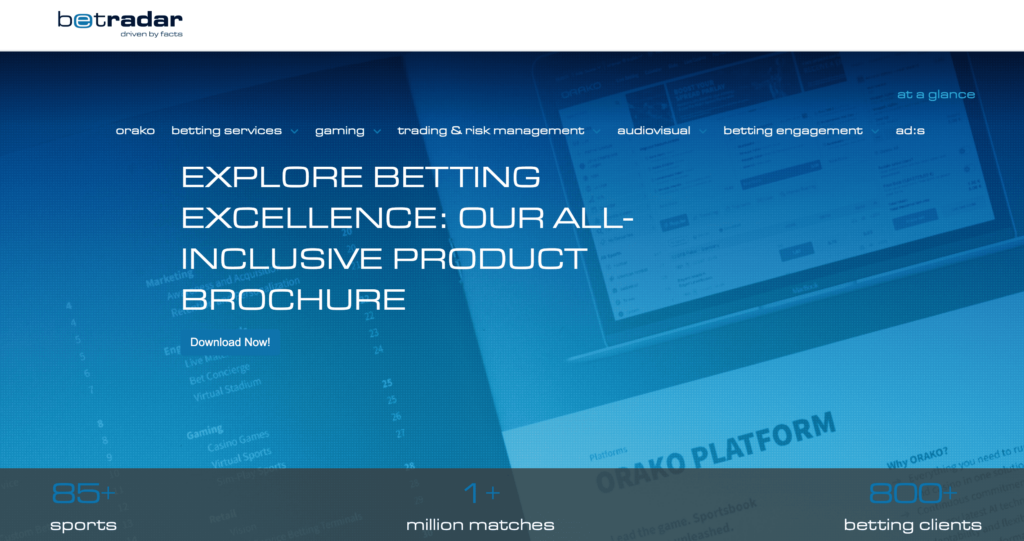
Sportradar is one of the largest sports data and sportsbook software providers. Many platforms depend on its data feeds.
The company was founded in 2001 and is based in Switzerland. It works with over 900 betting operators and covers 1 million+ sports events per year.
Sportradar owns official data rights for major leagues. This includes partnerships with the NBA, NHL, and FIFA. These deals give faster and more accurate data compared to unofficial feeds.
The platform is strong in live betting. It delivers odds updates with very low latency, which is critical for in-play markets.
Core capabilities
| Area | Details |
| Odds & data | Official data feeds and live odds |
| Coverage | 40+ sports, 1M+ events yearly |
| Live betting | Fast updates with low latency |
| API | Flexible integration with multiple products |
| Add-ons | Virtual sports, streaming, analytics |
Limits you should know
Pricing depends on data packages and usage. Costs increase with more sports and markets. Full integration can be complex. You need a technical team to connect all modules.
5. Genius Sports
Genius Sports is a sportsbook software and data provider focused on official sports data. It has a strong position in the US market.
The company was founded in 2001 and is listed on the NYSE. It works with 400+ sportsbook operators and provides data for 240,000+ events per year.
Genius Sports has exclusive partnerships with major leagues. These include the NFL, NCAA, and Premier League. This gives access to official, low-latency data used for live betting.
The company plays a key role in US betting infrastructure. Many licensed operators use its data feeds after regulation expanded in 2018.
Core capabilities
| Area | Details |
| Data & odds | Official league data with real-time updates |
| Coverage | 30+ sports, 240K+ events yearly |
| Live betting | Low-latency in-play data feeds |
| Integrity | Monitoring and fraud detection tools |
| API | Data and sportsbook integration options |
Limits you should know
It is mainly a data provider, not a full sportsbook platform. You still need a trading system, a risk management, and a frontend. Costs depend on league rights and data usage.
6. EveryMatrix (OddsMatrix)
EveryMatrix is a modular sportsbook software provider. Its product OddsMatrix is widely used by mid-size and growing operators.
The company launched in 2008 and is based in Malta. It serves 300+ clients worldwide and operates across Europe, LatAm, and Asia.
EveryMatrix focuses on flexibility. Operators can use the full platform or connect only specific modules. This includes sportsbook, casino, payments, and affiliate systems.
The platform covers 100,000+ live events per month and supports a wide range of sports, including esports and niche markets.
Core capabilities
| Area | Details |
| Odds & trading | In-house odds plus external feed support |
| API | Modular API for custom setups |
| Coverage | 40+ sports with strong esports focus |
| Platform | Sportsbook, casino, payments, affiliate tools |
| Integration | Works with third-party providers |
Limits you should know
It requires technical work. Integration depends on how many modules you use. It is not as simple as a white-label launch. You need a team to manage the setup.
7. BetConstruct
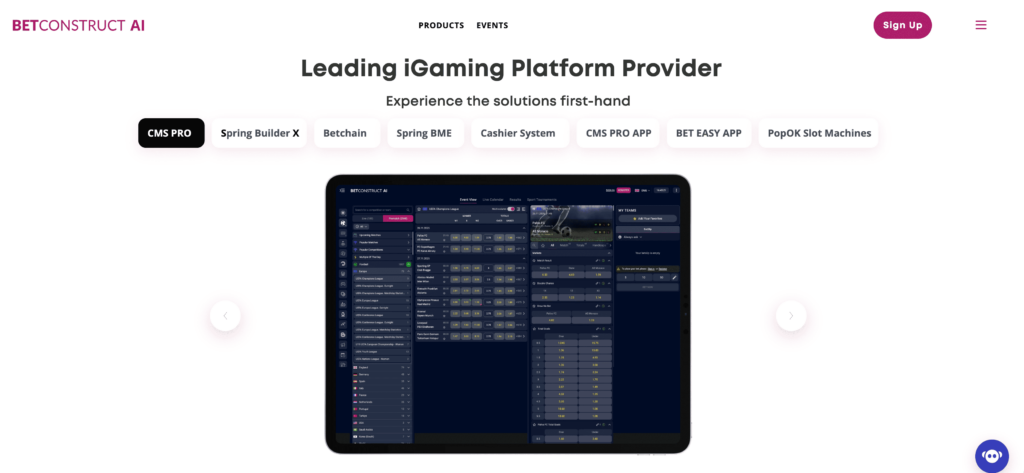
BetConstruct is a widely used white-label sportsbook software provider. It targets fast launches and multi-GEO projects.
The company started in 2003 and is based in Armenia. It serves 500+ operators worldwide and covers both regulated and grey markets.
BetConstruct offers a full platform. It includes sportsbook, casino, live dealer, payments, and CRM. This allows operators to launch a betting site in a short time.
The platform supports 8,000+ betting markets daily and covers 100+ sports and events globally. It also includes virtual sports and esports.
Core capabilities
| Area | Details |
| Platform | Full white-label sportsbook and casino |
| Markets | 100+ sports with thousands of daily events |
| Launch speed | Ready-to-use platform with fast setup |
| Payments | Built-in payment integrations |
| Extras | Live casino, virtual sports, esports |
Limits you should know
Many operators use the same core system. This reduces uniqueness. Customization is limited compared to API-based providers. Margins and odds control are not as flexible as enterprise solutions.
8. Altenar

Altenar is a sportsbook software provider focused on flexible integrations. It is widely used by mid-size operators and affiliate-driven brands.
The company launched in 2011 and is based in Malta. It works with 100+ operators globally and supports both regulated and offshore markets.
Altenar is known for its API-first approach. It allows operators to plug sportsbook functionality into existing platforms without rebuilding everything.
The platform covers 30+ sports and delivers thousands of live events daily. It has strong performance in live betting with stable odds updates.
Core capabilities
| Area | Details |
| API | Flexible sportsbook API integration |
| Odds | Real-time odds with live betting support |
| Coverage | 30+ sports with global events |
| Platform | Works as standalone or integrated solution |
| Tools | Risk management and reporting features |
Limits you should know
It is not as large as enterprise providers like OpenBet. You still need technical resources for integration. It does not offer a full out-of-the-box product like white-label platforms.
9. Delasport

Delasport is a sportsbook software provider focused on user engagement and retention. It targets operators who want better player activity, not just basic betting.
The company started in 2010 and is based in Malta. It works with 50+ operators and has strong growth in Europe and LatAm.
Delasport stands out with its frontend tools. It focuses on features that increase bet frequency and session time. The platform supports 10,000+ live events per month and offers deep in-play coverage.
Core capabilities
| Area | Details |
| UX & frontend | Customisable interface with strong mobile focus |
| Betting features | BetBuilder, quick bets, personalised offers |
| Coverage | 30+ sports with live betting focus |
| Data | Real-time odds and live event updates |
| Tools | CRM and engagement features |
Limits you should know
It is not as widely used as top-tier providers. High-scale performance is less proven compared to OpenBet or Kambi. You may still need external tools for full platform setup.
10. Betby
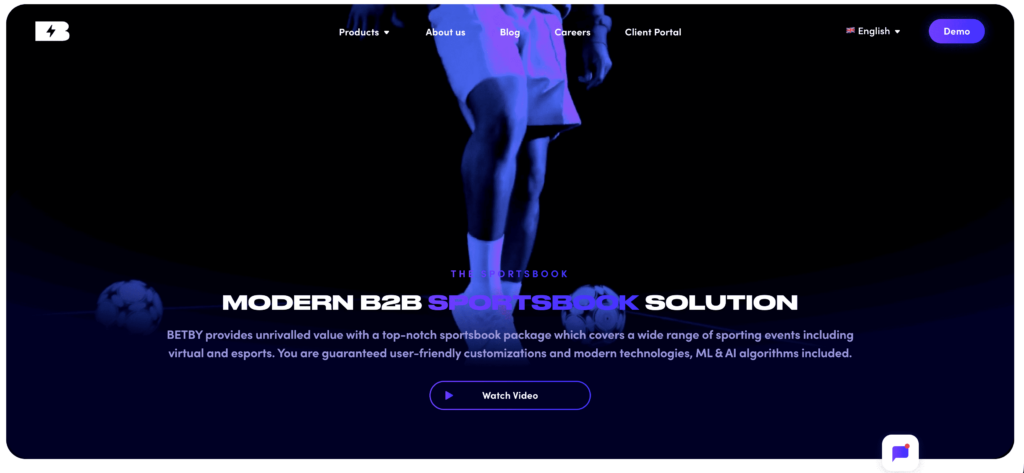
Betby is a sportsbook software provider focused on automation and esports. It is one of the fastest-growing platforms in recent years.
The company launched in 2018 and is based in Malta. It works with 100+ operators and continues to expand in Europe, CIS, and LatAm.
Betby covers 65+ sports and offers thousands of live events daily. It has strong depth in esports, including CS2, Dota 2, and League of Legends. This makes it popular among younger betting audiences.
The platform uses automated trading. This reduces manual work and allows faster market updates.
Core capabilities
| Area | Details |
| Odds & trading | Automated trading with AI support |
| Coverage | 65+ sports including esports |
| Live betting | Real-time odds with fast updates |
| API | Flexible integration for custom platforms |
| Extras | Esports tournaments and virtual sports |
Limits you should know
It has a shorter track record than older providers. Fewer Tier-1 operators use it. Some markets have less depth compared to large enterprise platforms.
11. Gaming Innovation Group (GiG)
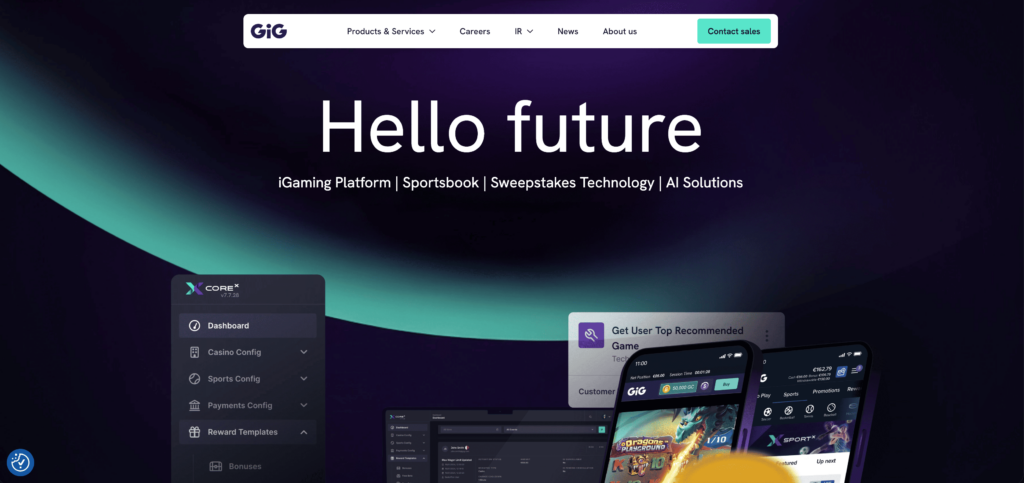
Gaming Innovation Group, or GiG, is a full platform provider. It offers sportsbook, player management, and compliance tools in one system.
The company started in 2012 and is listed on the Oslo Stock Exchange. It works with 30+ operators and focuses on regulated markets in Europe and North America.
GiG runs a full iGaming stack. This includes sportsbook, casino, PAM, and payment integrations. The platform is built for long-term projects that need licensing and compliance support.
GiG operates in 10+ regulated markets and supports local requirements like KYC, AML, and reporting.
Core capabilities
| Area | Details |
| Platform | Full sportsbook + PAM system |
| Compliance | Licensing, KYC, AML tools |
| Markets | Focus on regulated regions |
| Integration | API-based with modular setup |
| Extras | Casino and affiliate system support |
Limits you should know
Setup is complex. You need time and resources to launch. Costs are higher than white-label solutions. It is not built for quick GEO testing.
12. SportingTech

SportingTech is a sportsbook software provider built for custom platforms. It focuses on API-based solutions and high control.
The company launched in 2007 and is based in the UK. It works with 20+ operators and targets regulated and semi-regulated markets.
SportingTech offers a modular system. Operators can build their own frontend and connect sportsbook features through API. This approach gives more control over product and margins.
The platform supports 30+ sports and delivers thousands of live events daily. It is known for stable uptime and consistent performance during peak traffic.
Core capabilities
| Area | Details |
| API | Full sportsbook API for custom builds |
| Odds & trading | Real-time odds with live betting |
| Coverage | 30+ sports with global events |
| Infrastructure | Stable system with high uptime |
| Flexibility | Custom frontend and integrations |
Limits you should know
You need a technical team to use it. It is not suitable for quick launch. It has fewer large clients compared to top providers.
13. GR8 Tech
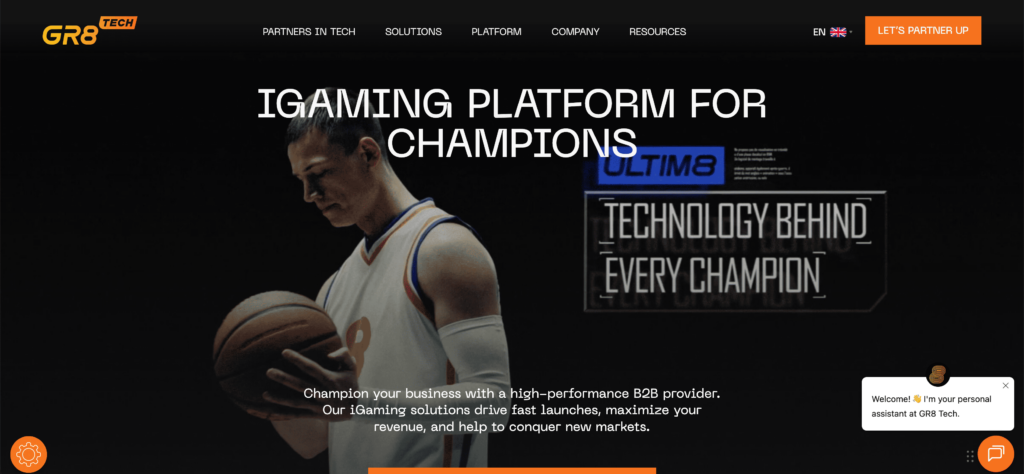
GR8 Tech is a sportsbook platform built from the former Parimatch tech stack. It focuses on performance, speed, and scaling.
The company became an independent provider in 2023. It already supports 50+ partners and processes traffic from high-volume betting brands.
GR8 Tech is designed for large loads. It handles millions of active users and supports heavy live betting traffic. The platform was tested on real high-traffic products before becoming a B2B solution.
It covers 30+ sports and delivers thousands of live events daily with stable odds updates.
Core capabilities
| Area | Details |
| Infrastructure | Built for high-load and fast scaling |
| Odds & trading | Real-time odds with strong live betting |
| Risk management | Advanced tools for exposure control |
| Platform | Sportsbook with API and modular setup |
| Performance | Optimised for speed and uptime |
Limits you should know
The brand is still new as a standalone provider. Public case studies are limited. Pricing and terms are less transparent than older providers.
14. Bettoblock
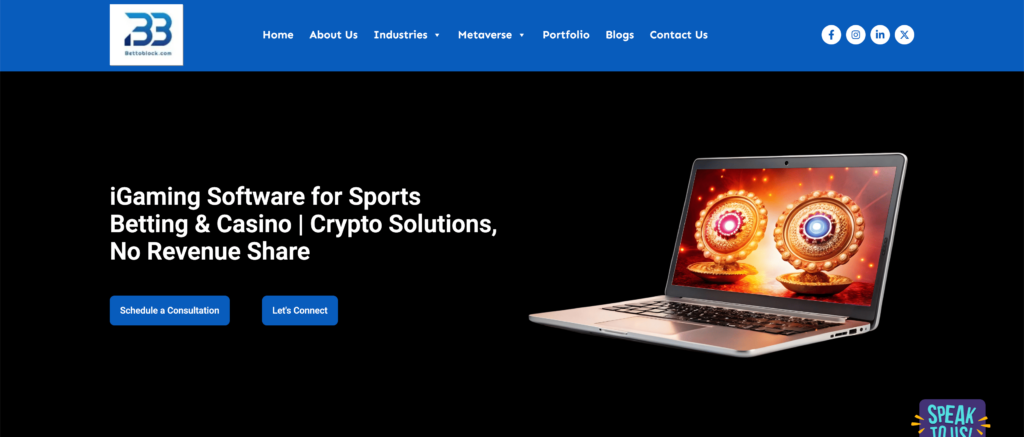
Bettoblock is a development-focused sportsbook software provider. It builds custom platforms and white-label solutions for operators.
The company works as a service provider, not a pure product platform. It targets startups and small teams that need a fast launch.
Bettoblock offers ready-made sportsbook setups and custom builds. Projects can go live in 2–6 weeks, depending on scope. This is much faster than enterprise platforms.
The platform supports standard sportsbook features and integrates with external odds providers. Coverage depends on выбранные data feeds, not a fixed in-house system.
Core capabilities
| Area | Details |
| Model | Custom development and white-label |
| Launch speed | 2–6 weeks for basic setup |
| Integration | Connects to third-party odds and data providers |
| Platform | Sportsbook with optional casino modules |
| Flexibility | Custom features based on project needs |
Limits you should know
It is not a full product platform with its own trading system. Performance depends on third-party integrations. Scaling to large volumes can require rebuilding parts of the system.

What Is Sportsbook Software?
Sportsbook software is the core system behind any sportsbook platform. It runs the betting process, from odds to payouts.
It works as the backend of an online sports betting software setup. The frontend is what users see. The software handles all logic in the background.
A typical sports betting solution includes:
- odds and market data
- bet processing
- risk management
- player accounts
- payment integration
Some sportsbook software providers offer a full platform with casino, payments, and license support. Others act as a sports betting solution provider and give API access for custom integration.
The goal is simple. Process bets fast, keep odds accurate, and maintain stable infrastructure under load.
How Sports Betting Software Works
Sports betting software connects several systems into one platform. Each part handles a specific task. Together, they run the full betting process.
1. Odds & Data
Odds come from data providers or internal trading teams. Platforms use APIs to receive live match data and update prices in real time. Fast updates matter. In live betting, delays of even 1–2 seconds can lead to losses.
2. Bet Processing
When a user places a bet, the system checks odds, limits, and balance. If everything is valid, the bet is accepted and stored. The platform then tracks the event and settles the bet after it ends.
3. Risk Management
The system tracks how much money is placed on each outcome. If risk grows, it adjusts odds or limits. This helps control losses and protect margins.
4. Player Management (PAM)
The platform stores user data, balances, and betting history. It also manages bonuses and restrictions. This part is key for retention and fraud control.
5. Payments & Integration
The software connects to payment providers for deposits and withdrawals. It also links with casino modules, CRM tools, and other systems through API integration. All parts must work together. If one fails, the whole sportsbook platform slows down or stops.
How to Choose a Sportsbook Software Provider
Choosing the right sportsbook software provider affects your profit from day one. A bad choice leads to slow odds, poor UX, and lost users.
Here is what to check before you sign any deal.
1. Market Focus
Start with your GEO. Some providers work only in regulated markets like the US or UK. Others support grey markets and faster launches.
If the platform does not match your target region, you will face limits on payments, traffic, or licensing.
2. Technology & Infrastructure
Check how the platform performs under load. Look at:
- uptime
- speed of odds updates
- stability during live events
If the system fails during peak traffic, you lose revenue.
3. API & Integration
A good sportsbook software provider should support easy API integration.
This lets you connect:
- payment systems
- casino modules
- tracking tools
Without this, scaling becomes harder.
4. Pricing Model
Most providers use:
- revenue share
- fixed fee
- hybrid models
Revenue share looks easy at the start but becomes expensive as you grow. Always calculate long-term cost.
5. Risk & Trading Control
Some platforms manage odds and risk for you. Others give full control.
If you want higher margins, you need control over:
- odds
- limits
- exposure
Managed solutions are easier but less flexible.
6. Product Depth
Check what you get:
- number of sports
- live betting quality
- esports coverage
Weak coverage reduces user activity.
A sportsbook software provider is not just a vendor. It is the core of your betting business. Choose based on your market, budget, and growth plan.
FAQ
What is sportsbook software?
Sportsbook software is the system that runs a betting platform. It manages odds, accepts bets, tracks users, and processes payouts. It acts as the backend of an online sportsbook.
How does sports betting software work?
Sports betting software connects data feeds, odds engines, and payment systems. It receives live sports data, updates odds, accepts bets, and settles results after events end.
What features should a sportsbook platform have?
A sportsbook platform should include real-time odds, fast bet processing, risk control, payment integration, and API support. These features help handle traffic, manage losses, and scale the business.
How to choose a sportsbook software provider?
Choose a sportsbook software provider based on your market, budget, and technical needs. Check platform stability, API integration, pricing model, and control over odds and risk.
Conclusion
The sportsbook market keeps growing, and new brands launch every month. Traffic is there, but results depend on the tools you use.
The right sportsbook software provider helps you keep users, control margins, and scale without issues. The wrong one slows you down from the start.
At AffRoom, we focus on what works in real conditions. We track platforms, compare performance, and share insights based on actual data from affiliates and operators.
If you work in iGaming or sports betting, this is where you stay updated. You get verified providers, real comparisons, and tools that help you grow faster. Explore more on AffRoom and find the setup that fits your goals.